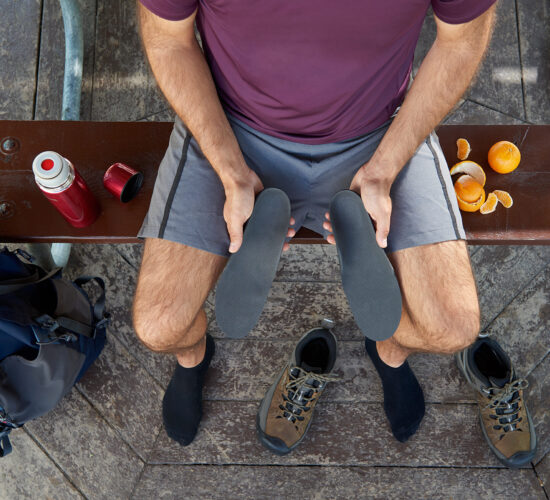
How are foot orthotics made?

To provide everyday support, your orthosis must perfectly fit the unique shape of your foot. Today, we’re revealing the process behind creating a custom foot orthosis—a craft that has made Médicus a Quebec leader in foot care.

Every orthosis is crafted with precision, combining expertise, technology and a genuine passion for our customers’ well-being.

The role of foot orthoses

After experiencing unusual foot pain or receiving a medical diagnosis for a specific condition, it is very likely that your treatment plan will recommend wearing foot orthoses.

Foot orthoses help relieve pain and improve a patient’s quality of life. They are part of a medical treatment aimed at providing continuous support to correct conditions such as flat feet, plantar fasciitis, arthritis, metatarsalgia and more.

Step 1: Performing a biomechanical evaluation

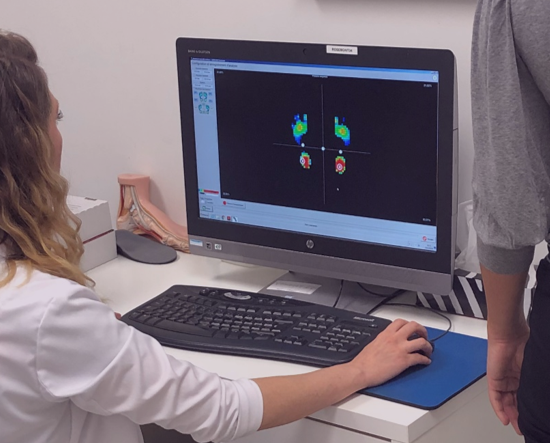
Because your feet play an essential role in daily life, we create your foot orthoses with care. A biomechanical evaluation analyzes your posture, gait and weight distribution across your feet. This detailed assessment enables the orthotist to design a fully custom orthosis, perfectly suited to your specific needs.


Step 2: Choosing the right type of foot orthosis

Based on your foot issues and biomechanical evaluation, your orthotist can recommend one or more orthoses tailored to your situation.

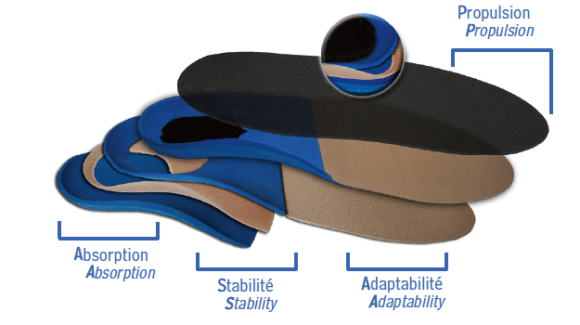
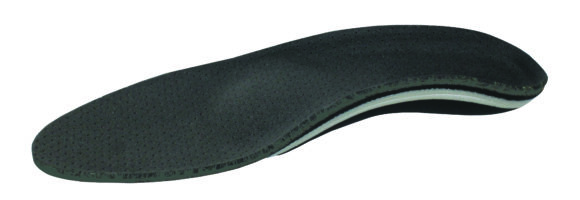
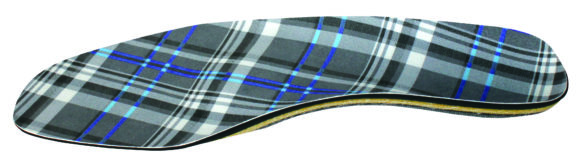
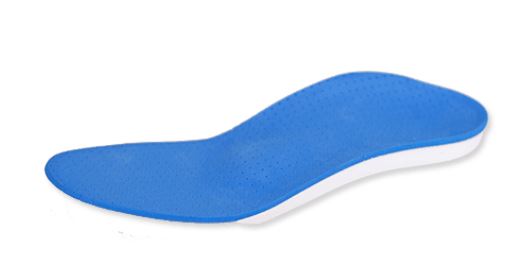
At Médicus, all our orthoses are custom-made. We work with Bio-Dynamik® orthoses, exclusive to Médicus. These are made from high-quality materials that provide excellent adaptability, stability and proper shock absorption and propulsion, in keeping with ASAP (analysis, stability, adaptability, performance) standards. This means that every orthosis is designed to deliver optimal shock absorption and enhanced stability, supporting your feet effectively and improving posture and movement.

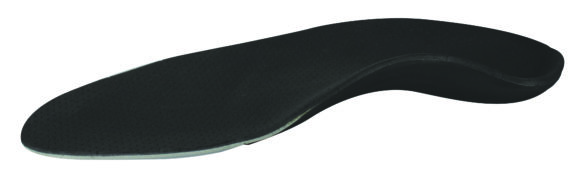
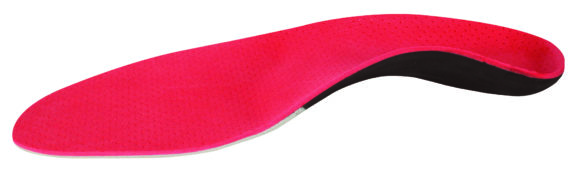
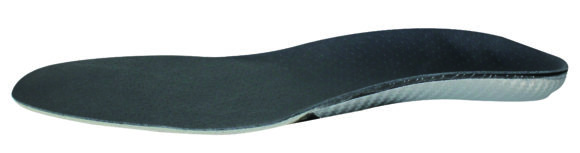
There are six types of Bio-Dynamik® orthoses:

Perfostab

Excellent for running or dynamic walking

Meditech

Ideal for weak arches, talalgia, mild arthritis or slight hallux valgus

Meditech Carbon

Perfect for highly active individuals seeking superior support and stability

DI-AR

Specially designed for people with diabetes or arthritis

Dynafin

Recommended for those who work mostly seated and want lightweight support suitable for dress shoes

Pediatric

Designed specifically for children, adapting to their needs as they grow

Step 3: Designing the foot orthosis

Watch a video on the creation process featuring Emmanuel Beauchemin, our chief clinician and orthotist.

At this stage, two scenarios are possible:

  • If you have a medical prescription, the orthotist will recommend the product—custom or premade—that is best for your treatment plan based on your condition.
  • If you don’t have a prescription, the orthotist will provide a detailed report of your evaluation and, if needed, can refer you to the appropriate healthcare professional (doctor, physiotherapist, etc.).

When a treatment plan recommends orthoses, impressions and measurements will be taken to produce your custom orthoses in the lab. Read on for details, from the first step to final delivery.

  1. Podography: During the biomechanical evaluation, the orthotist analyzes pressure, shape and foot morphology.
  2. Foot impression: This is done either with a foam mould or via digital laser scanning.
  3. Treatment plan design: The orthotist determines the type of orthosis needed and selects materials and adjustments for optimal comfort.
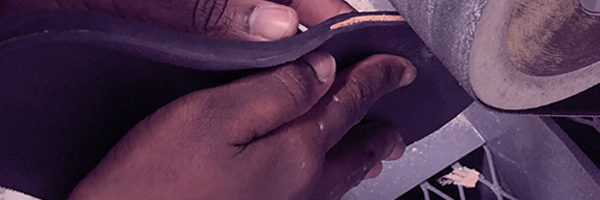
  4. Manufacturing: The orthosis is produced and assembled from your foot impression and treatment plan specifications.
  5. Delivery and fitting: Once manufacturing is complete, your orthotist will schedule an appointment for you to try the orthosis in your shoe.
  6. Adjustment: it typically takes about one month to adjust to a new foot orthosis. If discomfort persists, schedule another appointment with your orthotist for re-evaluation.

What materials are used for orthoses?

Materials are carefully selected to meet each patient’s needs, depending on activity, comfort and corrective requirements. Softer materials like polyurethane or EVA absorb shock, while rigid materials like thermoplastic or carbon provide better foot control.

Foot orthoses are commonly made from the following materials:

As needed, a rigid shell or flexible materials may be chosen to provide the right support. The goal is always to ensure stability, shock absorption, propulsion, longevity and high quality.

Polyurethane

EVA

Thermoplastic

Carbon

Plastic

Cork

Leather/synthetic leather

Foam

Foot orthosis manufacturing time and lifespan

Custom foot orthoses typically take one to two weeks to produce, depending on technique and complexity.

The lifespan of a foot orthosis depends on usage. A custom orthosis generally lasts 18–24 months, but frequent use, such as for running, may wear it out faster than if it is used mainly for walking. Choosing the right orthosis for your lifestyle is essential.

To maximize its lifespan, it’s important to take proper care of your foot orthosis. Clean it regularly, and avoid wearing it when it’s damp, as moisture can significantly reduce durability. Proper maintenance will help your orthosis last longer and prevent issues related to premature wear.


Trust Médicus to create your foot orthoses

Caring for your feet is an investment in your comfort, mobility and long-term health. Foot pain is often ignored or considered normal—yet a custom orthosis can transform your daily life.

At Médicus, foot orthoses are crafted with unique expertise perfected over more than 60 years. Take control of your daily comfort and trust us to create your custom foot orthoses.

Do you have any questions?

Contact an orthotist for more information