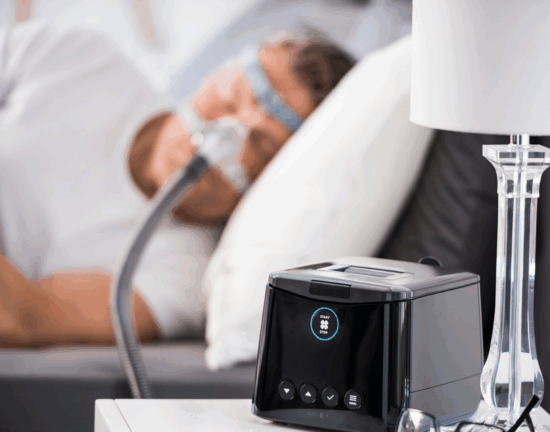
How to clean your CPAP machine, mask and accessories

Proper maintenance of your CPAP machine is essential to ensure effective sleep apnea treatment. Poor cleaning habits can not only reduce treatment performance but also lead to health issues such as infections or irritation.

Some components need to be cleaned daily, while others need only weekly cleaning. Once you get into the habit, cleaning and maintaining your CPAP equipment takes just 15 to 20 minutes and requires nothing more than water, mild soap and a towel.

Below are general guidelines for cleaning your CPAP machine, but always refer to the manufacturer’s instructions for your specific equipment, as cleaning requirements may vary by brand.

Step 1: Clean your CPAP machine


Proper care will keep your CPAP machine working well  and help it last longer. Each component must be cleaned regularly. Below, we go over how to maintain each one.

Clean the main unit

The main unit, or base unit, is the motor of your CPAP machine. To clean it, simply wipe the exterior with a slightly damp cloth to remove dust.

This can be done once a week.

Clean the water reservoir

The water reservoir, also known as the water or humidifier chamber, plays a key role in regulating humidity to prevent dryness in your airways.

In addition to emptying the water daily, you should clean this component once a week.

Here are the steps for properly maintaining it:

  • Carefully remove the water reservoir from your machine.
  • Soak it for 10 minutes in lukewarm water with a small amount of mild, unscented soap. Then, gently scrub it with a soft cloth, paying close attention to the corners. Some models can go in the dishwasher, but always check the manufacturer’s instructions first.
  • Rinse thoroughly with cold water to remove all soap residue,
  • and allow it to air dry away from direct sunlight.

Every two weeks, you can deep clean it using warm water and mild, unscented soap only. Soak it for a few minutes, rub gently if necessary, then rinse thoroughly with clean water to remove any residue.

Depending on the brand, the water reservoir should be replaced every six months to one year. If you notice cracks or signs of wear, replace it immediately to prevent leaks and bacterial buildup. Refer to your user guide for specific replacement recommendations.

Clean the filter

Filters help purify the air you breathe. Most CPAP machines have reusable filters, which should be washed every two weeks and replaced every three months.

If your filter is disposable, follow the manufacturer’s instructions for replacement. A dirty filter can disrupt air pressure, reduce treatment effectiveness, damage the motor and compromise the quality of the air you inhale.

Step 2: Clean the CPAP tubing

Once the machine and water reservoir are clean, move on to the air tubing that connects your mask to the CPAP device.

Both the inside and outside of the tubing should be cleaned once a week. Soak the tubing for 10 minutes in lukewarm water with mild, unscented soap in a clean sink or bucket.

Then fill the tubing with water, block both ends and gently shake to circulate the soapy water inside.

A tubing cleaning brush can be used for a deeper clean to remove dust, bacteria and mould.

Rinse thoroughly with cold, clean water and allow the tubing to air dry on a towel, away from direct sunlight.

Some tubing is heated and may contain electrical components. In that case, always follow the manufacturer’s cleaning instructions to avoid damage.

Tubing should be replaced every three to six months or sooner if you notice cracks or tears, as wear can lead to air leaks and reduced effectiveness.

Step 3: Clean your sleep apnea mask

Every day, you can clean the silicone cushion of your mask using a damp cloth or specially designed CPAP cleaning wipes.

Deep clean your mask once a week.

Before cleaning, fully disassemble the mask by separating the frame, headgear and cushions. Soak all components for 10 minutes in lukewarm water with mild soap, using the same solution as for the tubing.

Gently scrub each part, as these components are in direct contact with your skin throughout the night and tend to accumulate sweat and bacteria. Proper cleaning will extend the life of your mask.

Rinse thoroughly with clean water and allow all parts to air dry away from direct sunlight.

Make sure every component is completely dry before reassembling the mask.

Summary table How to properly maintain your CPAP machine

Mask component

Frequency

Maintenance method

Tips

Sleep apnea mask Daily for the mask cushion.
Weekly for the entire mask.
Daily: Wipe the cushion with a damp cloth or cleaning wipe.
Weekly: Wash the entire mask in lukewarm water with mild soap.
Rinse thoroughly with clean water and allow to air dry completely before reassembling.
Water chamber Daily and weekly Daily: Empty the reservoir and allow to air dry.
Weekly: Wash in lukewarm water with mild soap.
Rinse carefully to remove any soap or detergent residue.
Tubing Weekly Wash in lukewarm water with mild soap. Rinse thoroughly and hang to air dry. A brush may be used for deeper cleaning.


Replacement frequency for CPAP machine accessories

This table provides a clear overview of the average replacement time for your CPAP machine’s main accessories. Following these recommendations will help maintain treatment effectiveness and extend the lifespan of your equipment:

CPAP machine accessory  

Average replacement frequency     

Key tips

CPAP machine filter Every 1 to 3 months Replace based on condition and manufacturer recommendations to prevent blockages and motor damage.
Sleep apnea mask 6 months to 1 year Replace if there are leaks, signs of wear or loss of seal to ensure comfort and effectiveness.
Tubing Every 3 to 6 months Check regularly for cracks or tears that may cause air leaks.
Water chamber Every 6 months Replace if cracked or worn to prevent leaks and mould growth.
CPAP machine Every 5 to 7 years Replace based on condition and manufacturer recommendations.

Why maintain your CPAP machine?

Regular maintenance of your CPAP machine is essential to prevent the buildup of bacteria, mould and other germs that can compromise treatment quality and impact your respiratory health.

Without proper cleaning, these microorganisms can obstruct the airways, make CPAP treatment less effective and worsen sleep apnea symptoms.

Moisture in the mask, tubing and water reservoir creates an ideal environment for bacteria and mould to grow, and this can lead to irritation, allergies and respiratory infections such as bronchitis, sinusitis or pneumonia. That’s why thorough regular maintenance is essential to ensure your CPAP machine works properly, protects your respiratory health and delivers effective treatment.

Proper care of your machine and accessories is also one of the best ways to make them last longer.

Maintain your CPAP machine to ensure effective treatment

Keeping your machine, sleep apnea mask  and accessories in good condition is essential to ensure effective treatment, protect your health and extend the lifespan of your equipment.

At Médicus, we understand how important it is to maintain your CPAP equipment properly. That’s why our team of experts is here to guide you with tips for maintaining and cleaning your machine effectively.