How to sleep well with a sleep apnea mask

You may have just learned that you have sleep apnea and will need a CPAP (continuous positive airway pressure) machine to sleep. We understand that this can raise questions and concerns, and we’re here to guide you.

One of the first questions our patients often ask is “How will I be able to sleep with a mask on all night?” In this article, we share tips to make wearing your mask easier and help you adjust to your new equipment.

The importance of choosing the right sleep apnea mask

To sleep well when using a CPAP machine, your sleep apnea mask needs to fit your face properly and comfortably. This is key to ensuring effective treatment and quality sleep.

Every patient is different, and there is no one-size-fits-all mask. That’s why it’s difficult to recommend a specific model without trying it first. To make the right choice, we recommend testing several models and discussing them with your respiratory therapist, who can guide you in selecting the best option.

Here’s an overview of the main types of CPAP masks, along with their benefits and limitations.

Nasal pillow mask

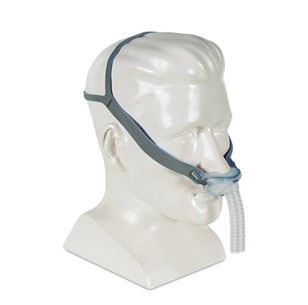
The nasal pillow, also called an intra-nasal mask, is an ultra-compact mask that sits just below the nostrils. It doesn’t cover the nose or mouth, making it a very discreet option for those who prefer minimal facial contact.

People often like this mask because it’s easy to get used to, especially for patients who are side sleepers, toss and turn a lot during the night or find larger masks uncomfortable.

Under-the-nose mask

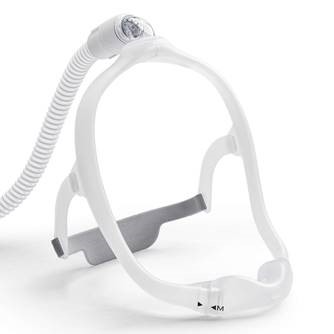
At first glance, the under-the-nose mask may look similar to the nasal pillow, but it works differently. Instead of inserting into the nostrils, it rests just below the nose, delivering air to the nasal passages with minimal contact.

This reduces irritation, enhances comfort and makes it easier to get used to, particularly for those who struggle with nasal inserts. The under-the-nose mask offers a nice balance of comfort, lightness and discretion.

It is ideal for patients who move around during sleep or are used to sleeping on their side, while ensuring an unobstructed view.

Nasal mask

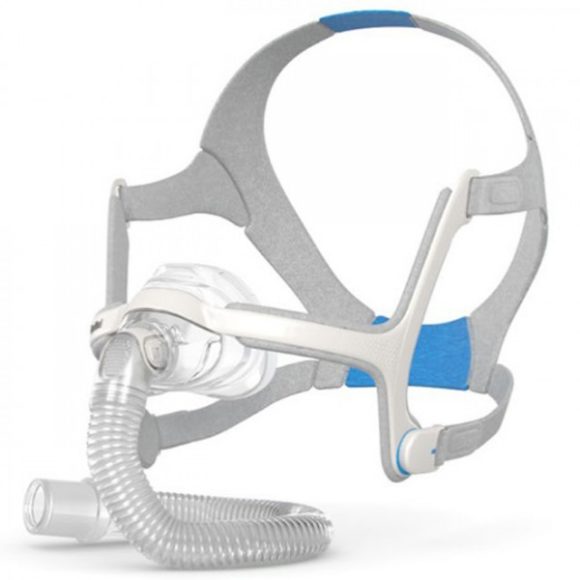
The nasal sleep apnea mask is one of the most popular options. It covers only the nose, leaving the mouth free and making it lightweight, discreet and often more comfortable—particularly for those who naturally breathe through the nose at night.

This type of mask works well for side sleepers or anyone with a stable sleeping position, providing a strong balance of comfort, seal and treatment effectiveness.

However, it may be less suitable for those with nasal congestion, frequent nasal irritation or a tendency to breathe through the mouth.

Full-face mask

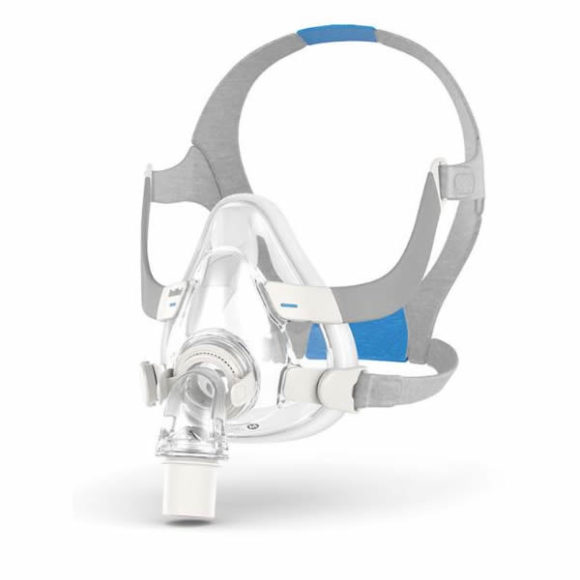
The full-face mask, also known as the naso-oral mask, covers both the nose and mouth. It’s often recommended for people who breathe through the mouth while sleeping or suffer from nasal congestion, rhinitis or a deviated septum.

This mask is larger and can feel bulky, especially during the first few nights, and requires an adjustment period—particularly for side sleepers or people sensitive to pressure points on the face.

Precise strap adjustment is essential to prevent air leaks, dry mouth and skin irritation.

Be patient and give yourself time to adjust

Wearing a sleep apnea mask takes some getting used to. When you’re not accustomed to sleeping with a mask, it’s normal to experience mild discomfort at first from pressure, the mask’s shape or your sleep positions.

To ease the transition, try wearing your mask for about an hour during a calm activity or nap during the day. This will help you gradually get used to it.

It’s also important to regularly check the mask’s fit and switch models if you experience discomfort. Feel free to contact your healthcare provider to discuss any issues and get personalized solutions.

Keep in mind that the positive effects of CPAP treatment aren’t always immediate. Some patients notice improvements within the first few nights, while others may need several weeks to feel a real difference.

If you notice no improvement after several weeks of CPAP use, it may mean specific adjustments are needed. In that case, schedule an appointment with your specialist right away. Never stop your treatment without medical advice, as sleep apnea can have serious long-term health consequences.

Sleep in a comfortable position

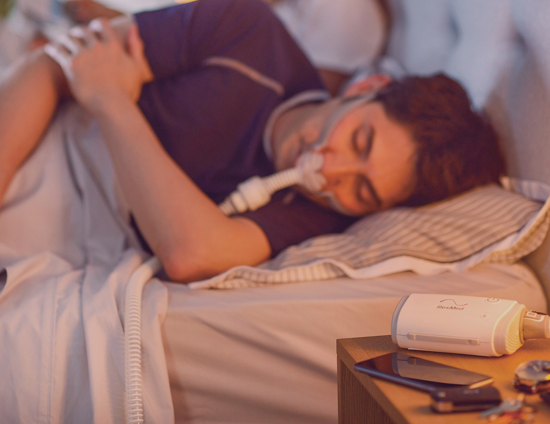
The key is to sleep in a position that feels comfortable, as the CPAP machine adjusts automatically to your breathing. You don’t need to force a particular position if it feels unnatural, as this could interfere with your sleep.

A CPAP pillow can improve comfort by reducing pressure on the mask and helping prevent air leaks, depending on the type of mask and your usual sleep position.

CPAP settings and maintenance

Proper mask adjustment and regular CPAP maintenance are essential for maximizing treatment benefits, regaining restorative sleep and avoiding discomfort.

Regular follow-up with your healthcare provider is necessary to ensure the machine is still effective and the settings remain appropriate for your sleep apnea. Only a specialist can guide you and make sure your machine is correctly configured.

For safe, comfortable and long-lasting use, make cleaning your CPAP equipment a daily routine. This includes washing the mask, water reservoir, tubing and filters.

Well-maintained equipment helps prevent skin issues, preserve the mask seal and guarantee optimal comfort night after night. For more information, see our comprehensive tips on maintaining your CPAP machine.

Support is key to success

Effective sleep apnea treatment depends on many factors: pressure settings, mask choice, comfort, sleep habits and more. Finding the right combination often takes time and careful follow-up.

At Médicus, we’re committed to providing ongoing, personalized support with a human touch. Our respiratory therapists work closely with each patient to ensure comprehensive care—from initial diagnosis and tailored equipment selection to support during the adjustment period.

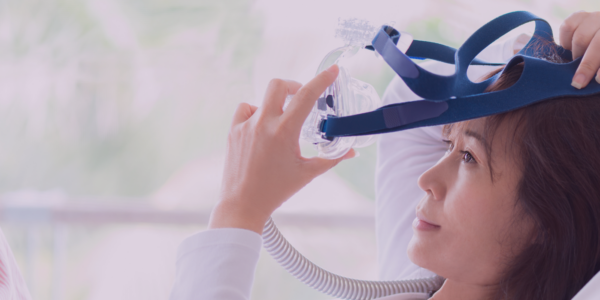
If you experience persistent discomfort or need guidance in using your machine, contact our Médicus specialists today for professional and compassionate support.