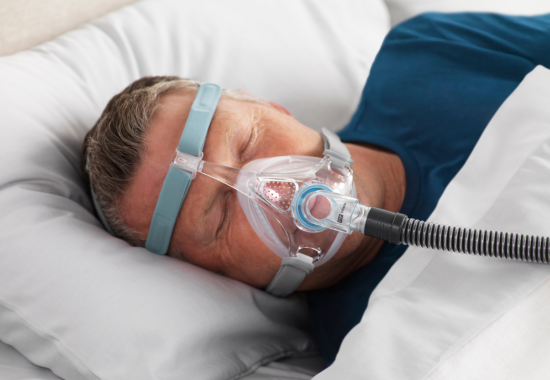
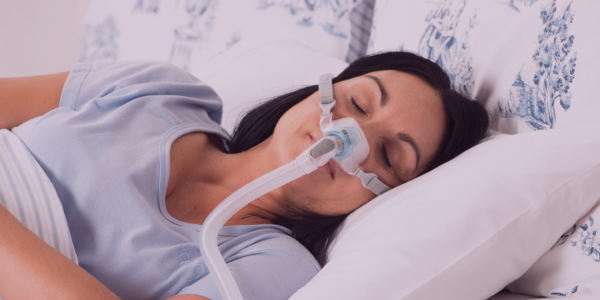
Your mask plays a key role in treating sleep apnea, but like any medical device, it has a limited lifespan.
Typically, a sleep apnea mask has a lifespan of about a year, but this can vary depending on several factors. Regular replacement is important to avoid issues due to worn components that can reduce treatment effectiveness and affect your health.
This article focuses only on the mask itself, not the CPAP machine, which has a number of components. Each one, from filter to reservoir, has a specific lifespan.
Signs of wear: How to know it’s time to replace your mask
Even with regular maintenance, sleep apnea masks naturally wear out over time. Wear can affect mask comfort and treatment effectiveness. To ensure effective therapy, watch for these signs that it may be time to replace your mask:
- Frequent air leaks, which often mean the cushion is no longer sealing properly.
- Reduced nighttime comfort due to pressure points, unease or less restorative sleep, which can mean the mask is worn or doesn’t fit right.
- Skin irritation or marks, which can occur if the silicone becomes stiff or deformed.
- Changes in mask materials like cracks, discolouration, dullness or stickiness—signs that the mask has lost its original quality.
- Worn, loose straps or fasteners, which prevent a secure fit and increase the risk of leaks.
- Humidification issues, such as dryness or discomfort, which may also indicate the humidifier or filters need attention.
Regularly inspect all components of your mask to prevent any interruption in your treatment.