Genu Flexum: Symptoms, Causes and Treatments
A knee flexion contracture, also called knee flexum or sometimes knee flessum, is a limitation in the knee’s ability to extend. The joint remains flexed and cannot fully straighten, which can alter gait, cause a limp and lead to knee pain.
What is genu flexum?
Genu flexum is a condition in which the knee joint remains bent, even when the person tries to fully straighten the leg. This knee condition may be mild or more pronounced, depending on its cause and the degree of joint stiffness.
Because the knee cannot return to full extension, the lower limb may compensate with every step. The hip, ankle, pelvis and back may then be placed under greater strain, especially when genu flexum affects posture or the functional length of the leg.
Causes of genu flexum
The causes of genu flexum may be congenital or acquired. It may be related to a leg-length discrepancy, improper hip positioning, prolonged immobilization of the knee in a flexed position or joint stiffness following an injury.
Certain knee conditions may also contribute to limited extension, including knee osteoarthritis, gonarthrosis, a sprain, ligament damage, trauma, a fracture, knee tendinitis or a deformity such as genu varum or genu valgum. When the knee has been painful, swollen or immobilized for an extended period, restoring mobility may be more difficult without appropriate care.
What are the symptoms of genu flexum?
The main symptom of genu flexum is the inability to fully straighten the knee. The leg remains bent, sometimes only slightly, but enough to alter gait and create a feeling of locking or stiffness.
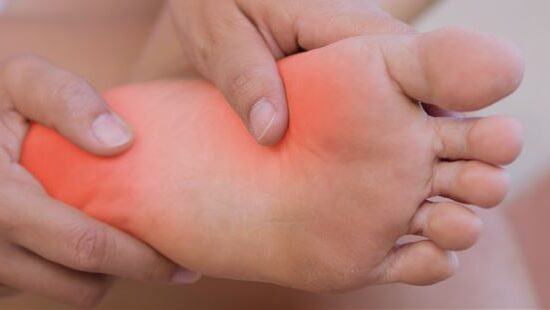
Genu flexum may also cause pain, a limp, muscle fatigue, reduced mobility or instability. In some cases, the knee may appear swollen or painful, especially following trauma, a sprain or a period of immobilization. The discomfort is often more noticeable while walking, climbing stairs or standing for long periods.
How is genu flexum treated?
Treatment for genu flexum depends on its cause, the severity of the extension limitation and its impact on walking. A physician, rheumatologist, surgeon or physiotherapist may help diagnose the condition, assess the situation and provide medical care when necessary.
Choosing a knee brace
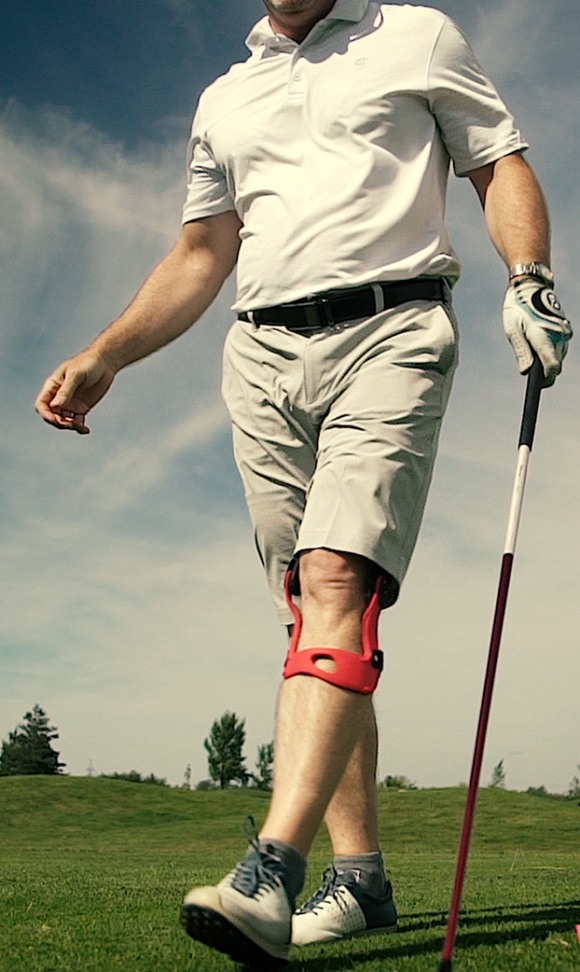
A knee brace may be recommended to better control the joint’s range of motion. It can help guide knee flexion and extension, depending on the level of support required.
Our orthotists adjust your brace according to your body shape, mobility, activities and the recommendations you have received. They also take the time to explain how to put it on, adjust it and use it properly to promote comfort and safety.
Using foot orthotics
When a leg length discrepancy contributes to genu flexum, a foot orthotic can help restore better balance. It may include a heel lift to compensate for the difference in length between the legs.
By lengthening the shorter leg, the foot orthotic may reduce compensatory flexion in the longer leg. It also helps distribute pressure more evenly, support posture and improve lower-limb alignment.
Moving and working on mobility
Rehabilitation and physical exercise can play an important role in recovering from genu flexum. Appropriate knee-extension, muscle-strengthening and mobility exercises may help reduce stiffness, improve gait and relieve pain.
Médicus, your trusted partner for genu flexum
Genu flexum can interfere with walking, posture and everyday activities. At one of our locations, our orthotists will help you better understand your needs and recommend an appropriate orthopaedic solution.